Embracing Smart Living: Transforming Homes with Innovative Water Technology
Shanta Colibri: We aspire to ensure we can provide for a future where every home has access to water, every network is managed with no leakages, and every drop is accounted for. This is a blog post for providing smart water metering to a residential area of Newtown Kolkata.
EDUCATIONALCASE STUDY
Rimashree
3/2/20257 min read


Introduction
New Town is not just a city; it’s a vision for the future. As a progressive urban landscape, it seamlessly blends cutting-edge technology with sustainable living. Recognized as one of India’s premier smart cities, recently crowned with Smart City of the Year Award at the Smart Cities India Awards 2023. It champions sustainability through solar energy initiatives and eco-friendly transport options like battery-operated vehicles and cycling lanes. With over 20 parks fostering community interaction and advanced infrastructure enhancing services, New Town prioritizes both quality of life and environmental responsibility.
The scope of this initiative encompasses a comprehensive approach to water resource management in Action Area 1. This area is strategically located near significant landmarks such as the Biswa Bangla Gate and various educational institutions, making it a focal point for future development. With initiatives promoting renewable energy, efficient waste management, and extensive green spaces, New Town stands as a beacon of modern urban development. Its emphasis on citizen engagement ensures that development reflects residents' needs, making New Town a vibrant model for future cities committed to smart, sustainable living.
Join us as we explore the installation in one of the Smart City of India, the challenges encountered, and the remarkable outcomes that showcase why smart water management are becoming the go-to solution for domestic water monitoring. Whether you're considering upgrading your home's water metering system or simply curious about how this technology works, by the end of this blog, you’ll gain insights into how this advanced technology not only simplifies water management but also contributes to significant savings and a greener future.
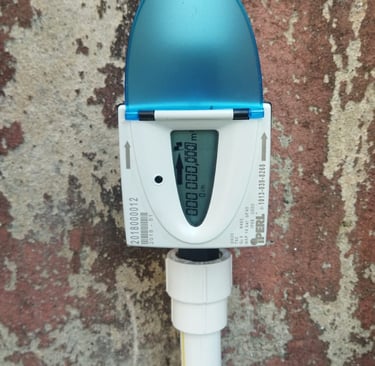
Prevailing Status:
Prior to the intervention, water management in Action Area 1 relied on conventional methods, including:
• Periodic Manual Readings of Water Meters:
Water consumption was monitored through manual readings, which are prone to human error and can lead to inaccuracies in billing and consumption tracking.
• Limited Monitoring of Water Consumption Trends:
The absence of advanced monitoring systems hindered the ability to analyse and respond to water usage patterns effectively. This limitation made it difficult to identify peaks in demand or unusual consumption behaviours.
• Inefficient Leak Detection Mechanisms:
The existing systems for detecting leaks were inadequate, resulting in water wastage and contributing to high rates of non-revenue water (NRW). Undetected leaks not only wasted resources but also increased operational costs.
• Absence of Real-Time Data on Water Usage:
Without real-time data, the authorities could not respond swiftly to issues such as leaks or spikes in demand. This lack of timely information hampered effective water management strategies.
These limitations led to several adverse outcomes:
• High Non-Revenue Water (NRW):
The combination of undetected leaks and unauthorized usage resulted in significant NRW, which refers to water that is produced but not billed to customers. This issue affects financial sustainability and resource management.
• Inefficient Billing and Revenue Collection Processes:
The reliance on manual readings and limited monitoring contributed to inaccuracies in billing, leading to revenue losses for the water supply authority. This inefficiency impacts the overall funding available for maintenance and infrastructure improvements.
• Limited Accountability Among Users for Water Consumption:
Without effective monitoring systems, users lacked awareness of their consumption patterns, leading to irresponsible usage and overexploitation of water resources.
• Overexploitation of Water Resources:
The inability to monitor and manage consumption effectively resulted in unsustainable practices, putting pressure on local water sources and exacerbating scarcity issues.
In response to these challenges, the New Town Kolkata Development Authority (NKDA) is exploring strategies to enhance water supply management. This includes improving leak detection technologies and implementing real-time monitoring systems to ensure efficient use of resources and equitable distribution across the growing urban landscape.
Identified Ailments and Root Causes:
1. Water Loss:
o Outdated infrastructure with undetected leaks.
o Lack of real-time monitoring systems to identify and address anomalies.
2. Limited User Awareness:
o Absence of consumption data to encourage responsible water use.

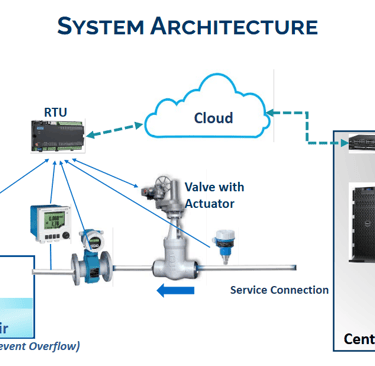
Smart Water Management with Smart System Architecture
To address these challenges, a comprehensive smart water management system was implemented. The fusion of OHR, Domestic Ultrasonic water meters, bulk electromagnetic flow meters, GPRS RTU (Remote Terminal Unit), control valves, and SCADA (Supervisory Control and Data Acquisition) systems exemplifies this shift, delivering unparalleled efficiency and precision in water management. By leveraging real-time monitoring and automated controls, cities and industries can achieve optimal resource allocation, reduce water loss, and enhance service reliability.
The Components of Smart Water Management
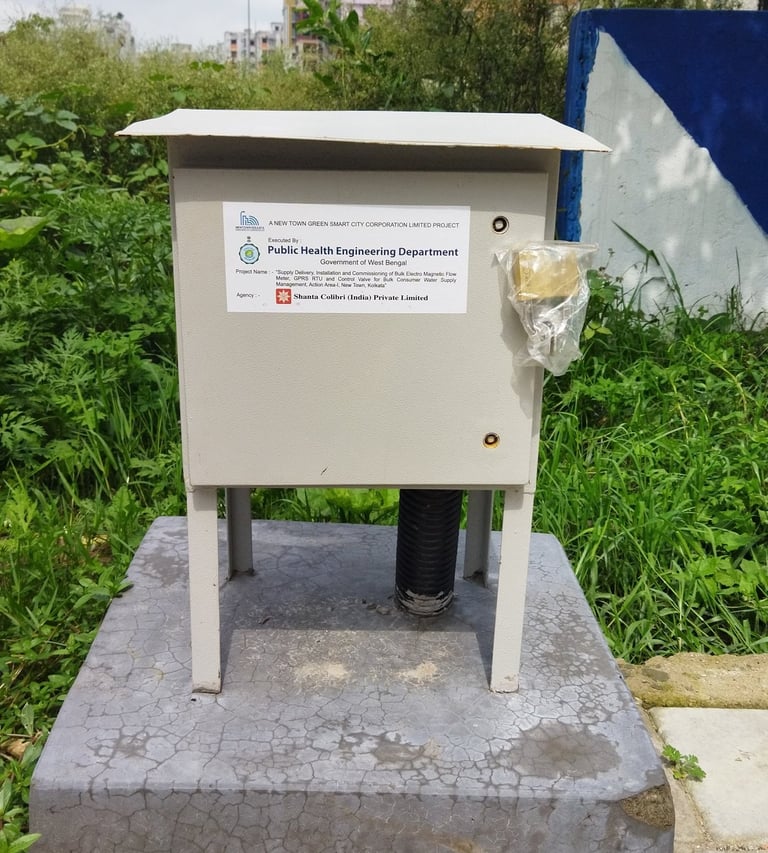
1. Bulk Electromagnetic Flow Meters: Installed at key junctions and distribution points to monitor water flow across the network. Data collected on bulk water movement to identify potential losses or inefficiency in the supply chain.
2. OHR (Overhead Reservoir) Monitoring: Sensors installed in overhead reservoirs to monitor water levels in real time. Automated alerts for overflow or underfill scenarios to optimize water storage and distribution.
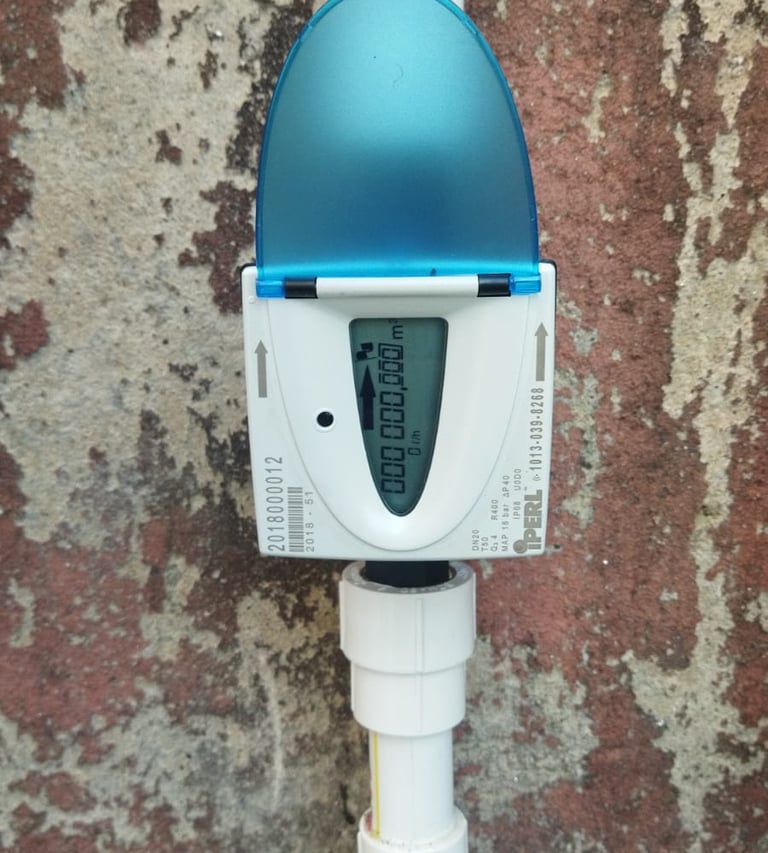
3. Domestic Ultrasonic Water Meters: Deployed at individual households and establishments for precise measurement of water consumption. These meters use ultrasonic technology to provide accurate real time data on usage.
4. GPRS RTU (Remote Terminal Unit): Acting as a communication bridge, GPRS RTUs wirelessly transmit real-time data to SCADA systems, enabling seamless monitoring of remote locations.
5. Control Valves: Automated control valves dynamically adjust water flow and pressure based on real-time conditions, ensuring efficient distribution and quick response to emergencies.
6. Pressure Transmitters: These devices provide real-time data on water pressure levels, ensuring balanced pressure, reducing the risk of pipeline bursts, and enhancing supply reliability.
7. SCADA Systems: Serving as the command centre, SCADA systems process and visualize data from all connected components, allowing operators to monitor, analyse, and control the network remotely. SCADA systems feature a centralized dashboard that provides real-time monitoring and insightful analytics. Equipped with advanced leak detection algorithms, these systems swiftly identify and address leaks, ensuring prompt action and enhanced operational efficiency.
Integration for Smarter Water Management
The integration of these technologies creates a cohesive and intelligent water management ecosystem. Here’s how it works:
• Real-time Monitoring: Electromagnetic flow meters and pressure transmitters continuously capture flow and pressure data, which is transmitted via GPRS RTUs to the SCADA system. This provides operators with a comprehensive view of the network’s performance.
• Data-driven Decisions: SCADA systems analyse incoming data to identify patterns, detect leaks, forecast demand, and ensure optimal pressure levels. This insight empowers operators to make informed decisions to optimize water distribution.
• Automated Control: Control valves, connected to the SCADA system, adjust flow and pressure automatically based on real-time conditions, ensuring consistent service and minimizing wastage.
• Proactive Maintenance: The system’s ability to detect anomalies allows operators to address potential issues before they escalate, reducing downtime and repair costs.
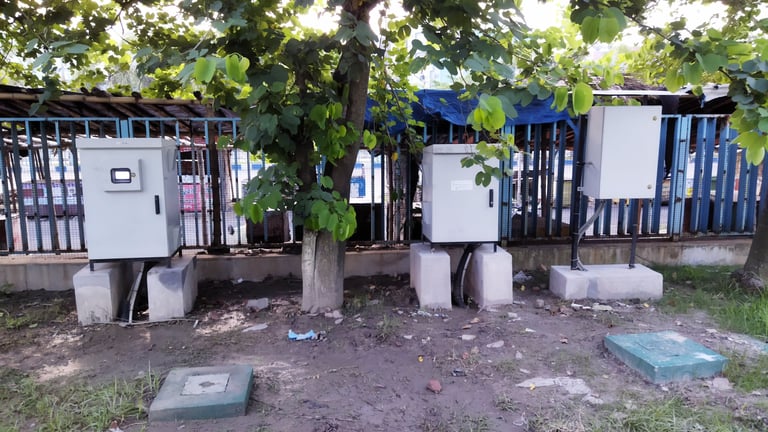

Why Adopt for Smart water management? Discover the Game-Changing Benefits!
The intervention in water management in New Town Kolkata's Action Area 1 has significantly improved the overall efficiency and sustainability of the water supply system. Key improvements include:
• Enhanced Water Treatment Capacity: The New Town water treatment plant has a capacity of 40 million gallons per day (MGD), with plans for augmentation to meet increasing demand. This ensures a more reliable supply of treated water to residents, addressing previous shortages and quality issues.
• Welcome to Smart Era: The implementation of modern monitoring tools with smart technology allows for real-time data collection on water usage and quality. This shift enhances the ability to detect leaks promptly, reducing non-revenue water (NRW) and improving accountability among users.
• Improved Leak Detection Systems: Advanced technologies have been introduced for leak detection, significantly decreasing the volume of water lost through undetected leaks. This not only conserves resources but also reduces operational costs associated with water loss. With precise billing and early leak detection, you’ll dodge unnecessary costs and water waste like a pro.
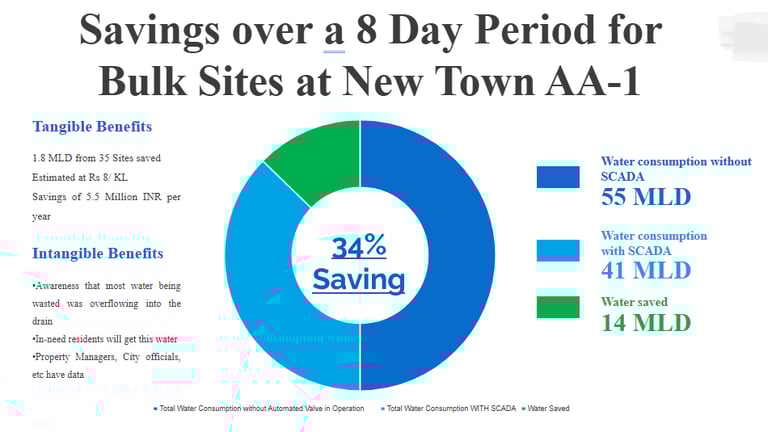
• Improved User Awareness and Responsibility: Users adapted water-saving behaviours, leading to a 34% savings within a period of 8 days.
• Your Wallet Will Thank You: While the upfront cost might be slightly higher. The durability and near-zero maintenance needs translate to significant savings over time. Whether it’s a slow leak or low-pressure flow, you’ll have a crystal-clear understanding of your water usage, ensuring you only pay for what you use—nothing more, nothing less.
• Strategic Planning for Future Needs: The New Town Kolkata Development Authority (NKDA) is actively preparing policies to augment filtered water supply sources. This includes recalibrating the existing water supply network to ensure equitable distribution, especially in growing peripheral areas that previously lacked access to treated water.
• Effortless Maintenance: Maintenance? What maintenance? With no moving parts to worry about, these smart system architectures require little to no upkeep.
• Environmentally Responsible: Smart water management play a crucial role in promoting environmental sustainability through enhanced water conservation, reduced carbon footprint, low maintenance needs, smart technology integration, effective leak detection, support for sustainable practices, and flexible deployment options. These benefits collectively contribute to more efficient water management systems that align with global sustainability goals - because saving the planet starts at home.
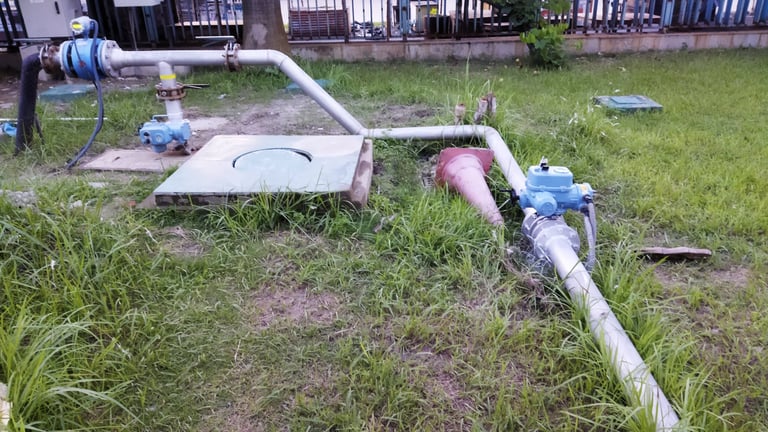

The introduction of cutting-edge smart water management tools, such as OHR monitoring, bulk water meters, and domestic ultrasonic water meters, has transformed water resource management in New Town’s Action Area 1. This innovative initiative not only tackled existing challenges but also cultivated a robust culture of accountability and sustainability among all stakeholders. By ensuring improved access to safe drinking water, it significantly enhanced public health outcomes, effectively addressing prior concerns related to poor water quality. This groundbreaking approach highlights the immense potential of technology-driven solutions in overcoming urban water management challenges. Moreover, it serves as an inspiring scalable model for other urban areas in Kolkata and beyond, paving the way for a more sustainable future.
Blog by Rimashree