
How Water Quality Affects Your Home & Health
Every drop of water tells a story—and it may be affecting your health more than you realize. From hidden contaminants to costly damage inside your home, poor water quality can have far-reaching consequences. Read on to uncover the risks, the warning signs, and the steps to ensure safer water for your family.
EDUCATIONAL
Rimashree
6/23/20264 min read
Photo by Luis Tosta on Unsplash
What is “Water Quality” Really?
Water quality refers to how clean and safe your water is based on three main categories:
Chemical contaminants (lead, nitrates, pesticides, industrial waste)
Biological contaminants (bacteria, viruses, parasites)
Physical factors (sediments, turbidity, microplastics)
The US Environmental Protection Agency (EPA) explains that drinking water can contain a wide range of contaminants—some harmless in small amounts, others dangerous even at low exposure levels (US EPA).
So yes—“clear water” doesn’t always mean “safe water.”
Water looks simple. Clear, colorless, harmless.
But in reality? It’s one of the most powerful carriers of health, hygiene, and long-term well-being inside your home.
From the glass you drink in the morning to the shower you take at night—water quality quietly influences your body, your appliances, your skin, and even your family’s health.
According to the World Health Organization (WHO), safe drinking water is a fundamental requirement for human health and development, and contaminated water is directly linked to disease transmission and reduced quality of life (World Health Organization).
Why Children Are the Most at Risk
Children absorb more water relative to body weight than adults. So contaminants affect them faster and more intensely.
Studies show:
Lead exposure impacts cognitive development
Nitrate exposure affects oxygen transport in infants
Microbial contamination leads to repeated infections
In simple terms:The same water that mildly affects adults can significantly harm children.
Photo by mrjn Photography on Unsplash
The Hidden Health Impact of Poor Water Quality
Water doesn’t just quench thirst. It becomes part of your bloodstream, tissues, and daily biological function.
1. Waterborne diseases (short-term impact)
Contaminated water can carry pathogens that cause:
Diarrhea
Typhoid
Cholera
Hepatitis A
WHO reports that unsafe water and poor sanitation remain major contributors to preventable diseases globally (World Health Organization).
Even small contamination events can trigger outbreaks affecting entire communities.
2. Heavy metals & long-term toxicity
Some contaminants don’t make you sick immediately—but build up silently.
Lead
Lead exposure has no safe level, especially for children. It can affect:
Brain development
Learning ability
Kidney function
Blood pressure in adults
The US EPA confirms that even low-level exposure to lead is harmful over time (US EPA).
Nitrates
Often from fertilizers and sewage runoff, nitrates can be especially dangerous for infants, reducing oxygen flow in the blood (blue baby syndrome).
3. Emerging contaminants (modern risk)
Modern water systems are now detecting:
PFAS (“forever chemicals”)
Pharmaceutical residues
Microplastics
Recent environmental studies show PFAS are linked to reproductive issues, thyroid disorders, and even cancer risks due to their persistence in the human body and environment.
This is why scientists now treat water quality as a long-term chronic health factor, not just a hygiene issue.
How Water Quality Affects Your Home (Not Just Your Body)
Your home is silently reacting to every drop of water flowing through it.
1. Skin & hair health
Poor water quality can lead to:
Dry, itchy skin
Hair fall or dullness
Worsening of skin sensitivity conditions
Chlorine, hardness minerals, and contaminants can disrupt the skin barrier over time.
2. Appliances & plumbing damage
Hard or contaminated water causes:
Scaling in pipes and geysers
Reduced lifespan of washing machines
Corrosion in plumbing systems
Higher electricity usage
Think of it like slow “rusting from inside” your home system.
3. Hidden contamination in daily use
Even if water is not consumed directly:
Clothes washed in contaminated water may retain residues
Utensils may carry trace chemicals
Humidifiers and AC systems may aerosolize impurities
This means water quality affects you beyond drinking—it becomes part of your environment.
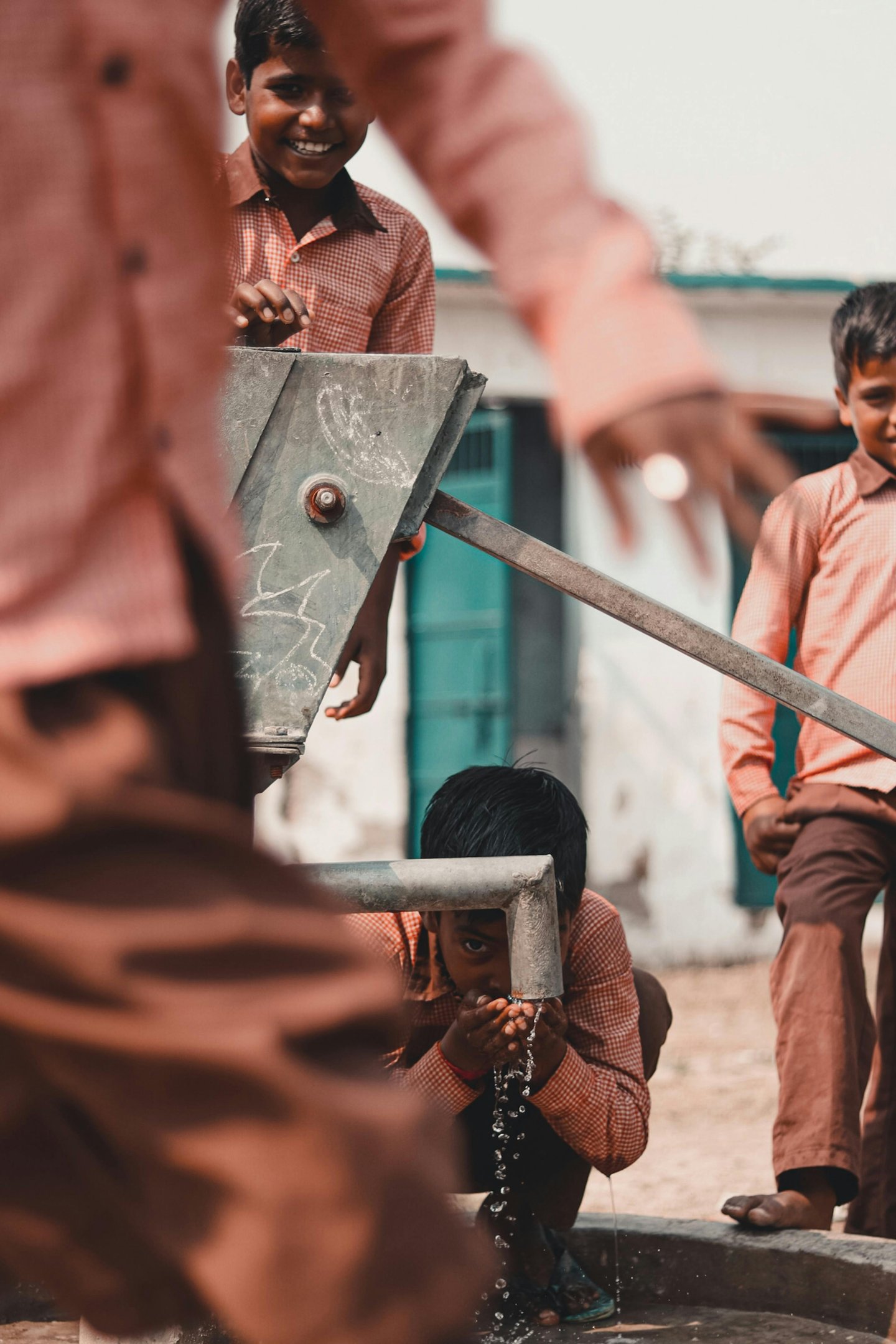

Photo by Ritesh Arya
The Bigger Global Reality
Water contamination is not rare—it’s widespread.
Aging pipelines
Industrial discharge
Agricultural runoff
Poor wastewater management
Even developed regions face recurring contamination issues. A recent environmental investigation highlighted widespread PFAS contamination in drinking water systems across multiple countries, linked to industrial and waste sources.
This shows one truth: Water safety is no longer guaranteed—it must be managed.
How You Can Protect Your Home
You don’t need panic—you need awareness and small upgrades.
1. Test your water
Check for TDS, bacteria, heavy metals
Test at least once a year (or more in high-risk areas)
2. Install proper filtration
Depending on your issue:
RO systems → heavy metals, dissolved solids
UV filters → bacteria and viruses
Activated carbon → chlorine and chemicals
3. Maintain plumbing hygiene
Flush unused taps
Check old pipes for corrosion
Avoid stagnant water in storage tanks
4. Don’t ignore “small symptoms”
Frequent stomach issues, skin irritation, or unusual taste in water can be early warning signs.
Final Thoughts
Water is not just something you use.
It’s something you become.
It flows through your home, your body, your daily life—quietly shaping your health in ways most people never realize until something goes wrong.
The truth is simple:
Clean water is not a luxury. It’s invisible infrastructure for a healthy life.
And the better we understand it, the better we protect everything built around it—our homes, our families, and our future.