
The Growing Water Crisis in War Zones and What Cities Must Learn
War is often measured in terms of territory lost, economies disrupted, and lives affected. But beneath these visible impacts lies a quieter, more dangerous crisis—the collapse of water systems.
CASE STUDYTHOUGHT PAPEREDUCATIONAL
Rimashree
4/21/20264 min read
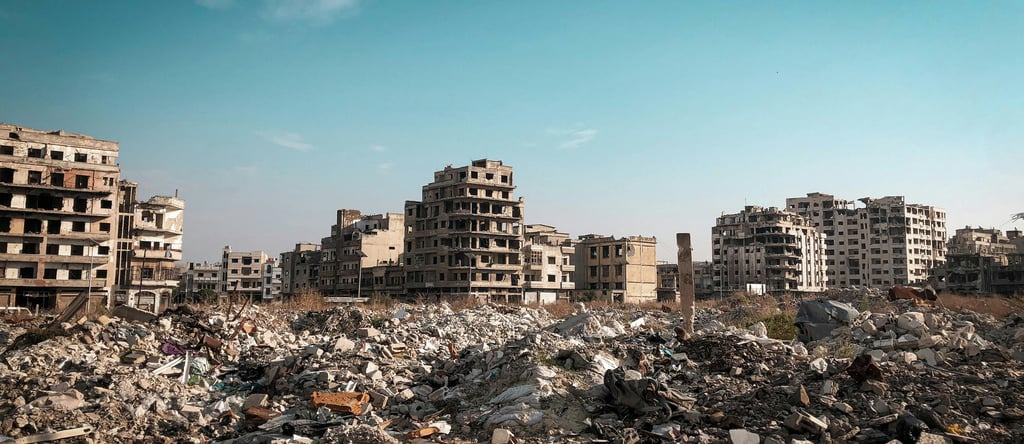
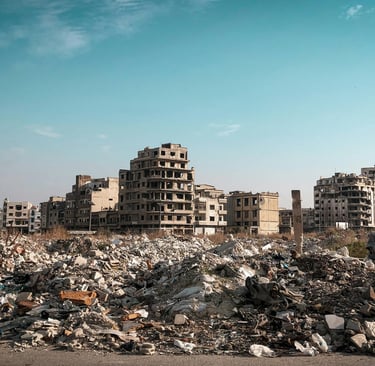
In modern conflicts like the Yemen Civil War and the Russia-Ukraine War, water has emerged as both a casualty and a weapon. What happens in these regions is not just a humanitarian concern—it is a warning signal for cities everywhere.
Because when water systems fail, everything else begins to unravel.
When Water Becomes the First Casualty
Water infrastructure is fragile by design. It depends on a delicate balance of treatment plants, pipelines, pumping stations, and energy systems. In conflict zones, this balance is often the first to break.
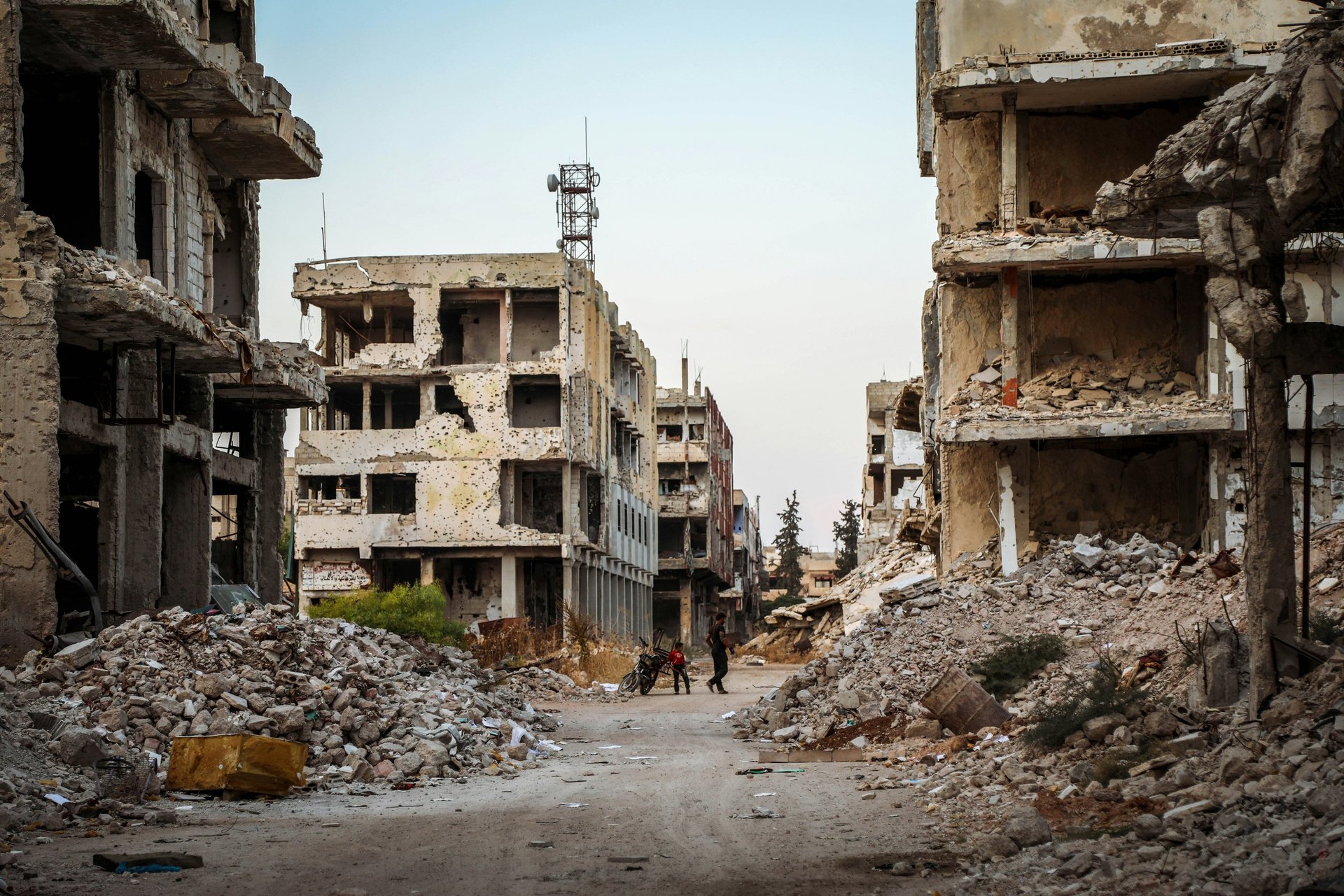
Airstrikes and ground operations damage pipelines and purification facilities. Power outages halt pumping stations. Maintenance becomes impossible. In some cases, water supply is deliberately disrupted to exert control over populations.
The result? Entire communities are cut off from safe drinking water almost overnight.
In Yemen, millions have faced limited access to clean water, contributing to one of the largest cholera outbreaks in recent history. In Ukraine, repeated attacks on infrastructure have raised concerns about water contamination and supply disruptions across major cities.
Water, once taken for granted, becomes scarce, unsafe, and uncertain.
A Chain Reaction of Crises
The loss of water systems doesn’t exist in isolation—it triggers a cascading effect across every aspect of life.
Public Health Breakdown
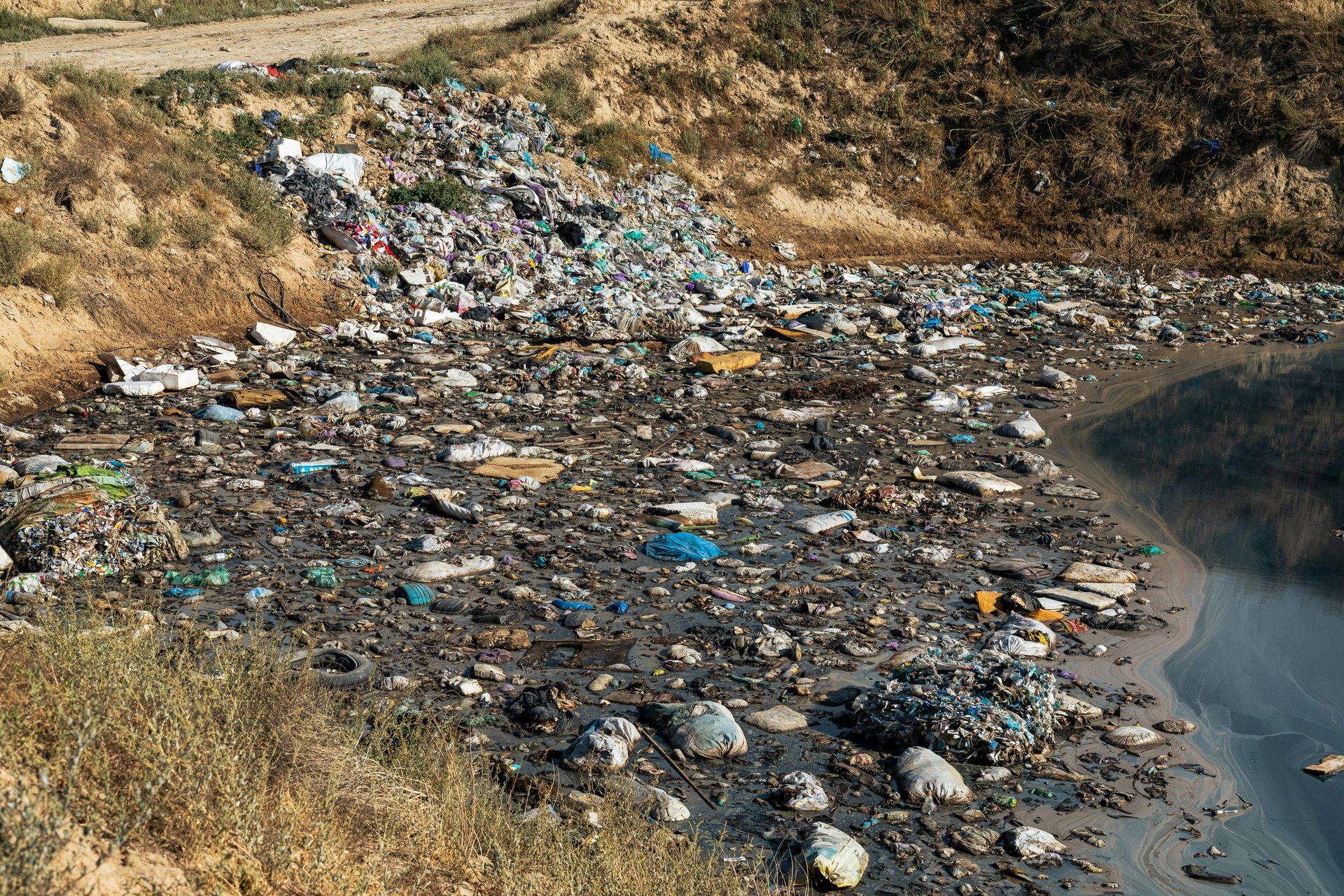
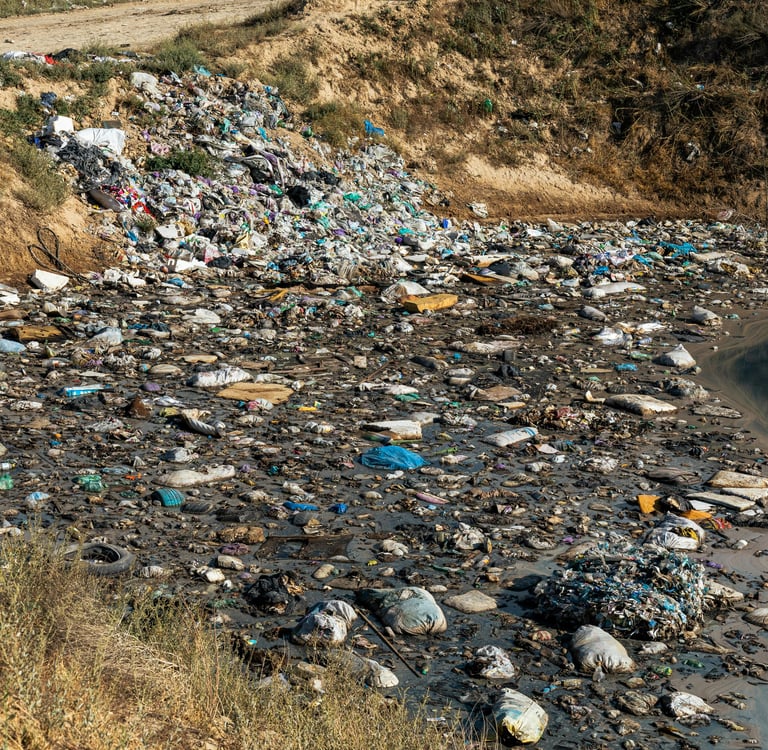
Without clean water, sanitation collapses. Waterborne diseases spread rapidly, especially in densely populated or displaced communities.
Food Insecurity
Agriculture depends heavily on stable water supply. When irrigation systems fail, crop yields decline, livestock suffers, and food shortages follow.
Economic Disruption
Industries that rely on water—manufacturing, energy production, processing—slow down or shut completely, deepening economic instability.
Mass Displacement
As basic resources become unavailable, people are forced to leave their homes, placing additional pressure on already strained urban systems elsewhere.
What begins as a water issue quickly evolves into a full-scale humanitarian and infrastructural crisis.
Why This Matters Beyond War Zones
It’s easy to view these challenges as distant, affecting only regions in conflict. But that would be a mistake.
War doesn’t create entirely new problems—it exposes existing vulnerabilities.
Many cities around the world, including rapidly growing urban centers, operate on aging or overstretched water infrastructure. Systems are often:
Poorly monitored
Inefficient in distribution
Vulnerable to leaks and losses
Dependent on uninterrupted power supply
Now imagine these systems under extreme stress—whether from conflict, climate events, or rapid population growth. The cracks begin to show.
The lesson is clear: if infrastructure cannot withstand disruption, it is already at risk.
Rethinking Water Security for Modern Cities
The crisis in war zones forces an important shift in perspective. Water systems can no longer be designed for efficiency alone—they must be built for resilience.
This means moving from reactive management to proactive, data-driven strategies.
Real-Time Monitoring and Smart Systems
Cities need visibility into their water networks. Smart metering and sensor-based monitoring can detect leaks, pressure drops, and anomalies before they escalate into major failures.Decentralized Infrastructure
Over-reliance on centralized systems creates single points of failure. Distributed water systems—local treatment units, storage solutions—can ensure continuity even when parts of the network are compromised.Predictive Maintenance
Using data analytics to anticipate system failures allows for timely intervention, reducing downtime and preventing large-scale disruptions.Efficient Resource Management
Water loss through leakage and inefficiency is a silent crisis in itself. Strengthening distribution efficiency ensures that available resources are used optimally, especially during times of stress.Integrated Planning
Water systems must be aligned with urban planning, energy systems, and emergency response strategies. Resilience is not built in isolation—it is designed across systems.
From Crisis to Preparedness
The growing water crisis in war zones is not just a story of destruction—it is a lesson in preparedness.
It highlights the importance of:
Investing in robust infrastructure
Leveraging technology for better management
Designing systems that can adapt to uncertainty
For cities, the question is no longer if disruptions will occur, but when. Climate change, population pressures, and geopolitical tensions all contribute to an increasingly unpredictable future.
Water systems must be ready.
Looking Ahead
Water is more than a resource—it is the foundation of public health, economic activity, and social stability.
When it fails, everything else follows.
The experiences of conflict-affected regions offer a stark reminder: resilience cannot be an afterthought. It must be embedded into the very design of urban infrastructure.
Because the true measure of a city is not how it performs under normal conditions, but how it withstands disruption.
And in that test, water will always be at the center.
Photo by ali Saleh
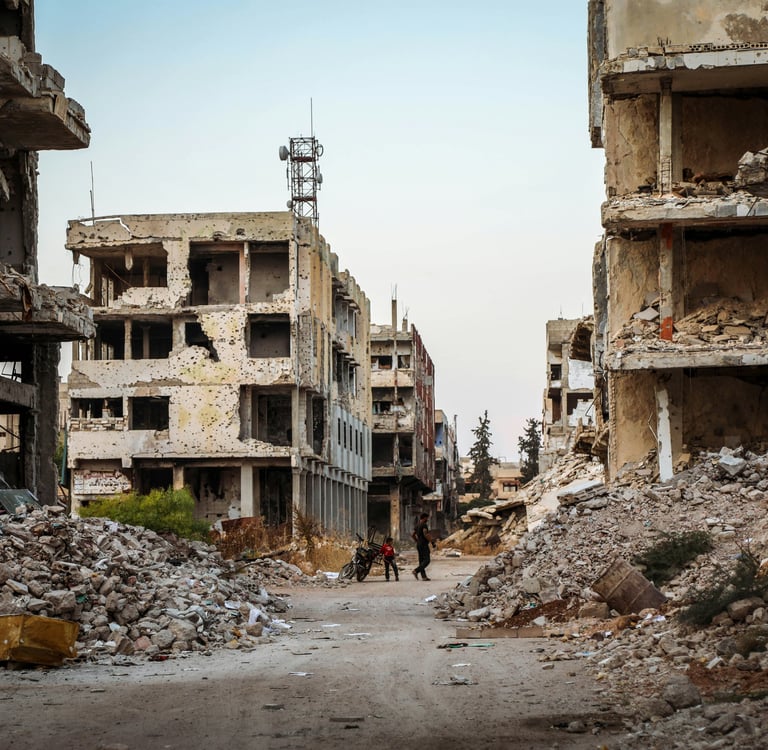
Photo by Mahmoud Sulaiman on Unsplash
Photo by Collab Media