
The Role of SCADA in FEWS: When Data Becomes a Lifeguard
A deep dive into how Flood Early Warning Systems are becoming our frontline defense in a world where floods are the new normal.
EDUCATIONALTHOUGHT PAPER
Rimashree
7/30/20254 min read
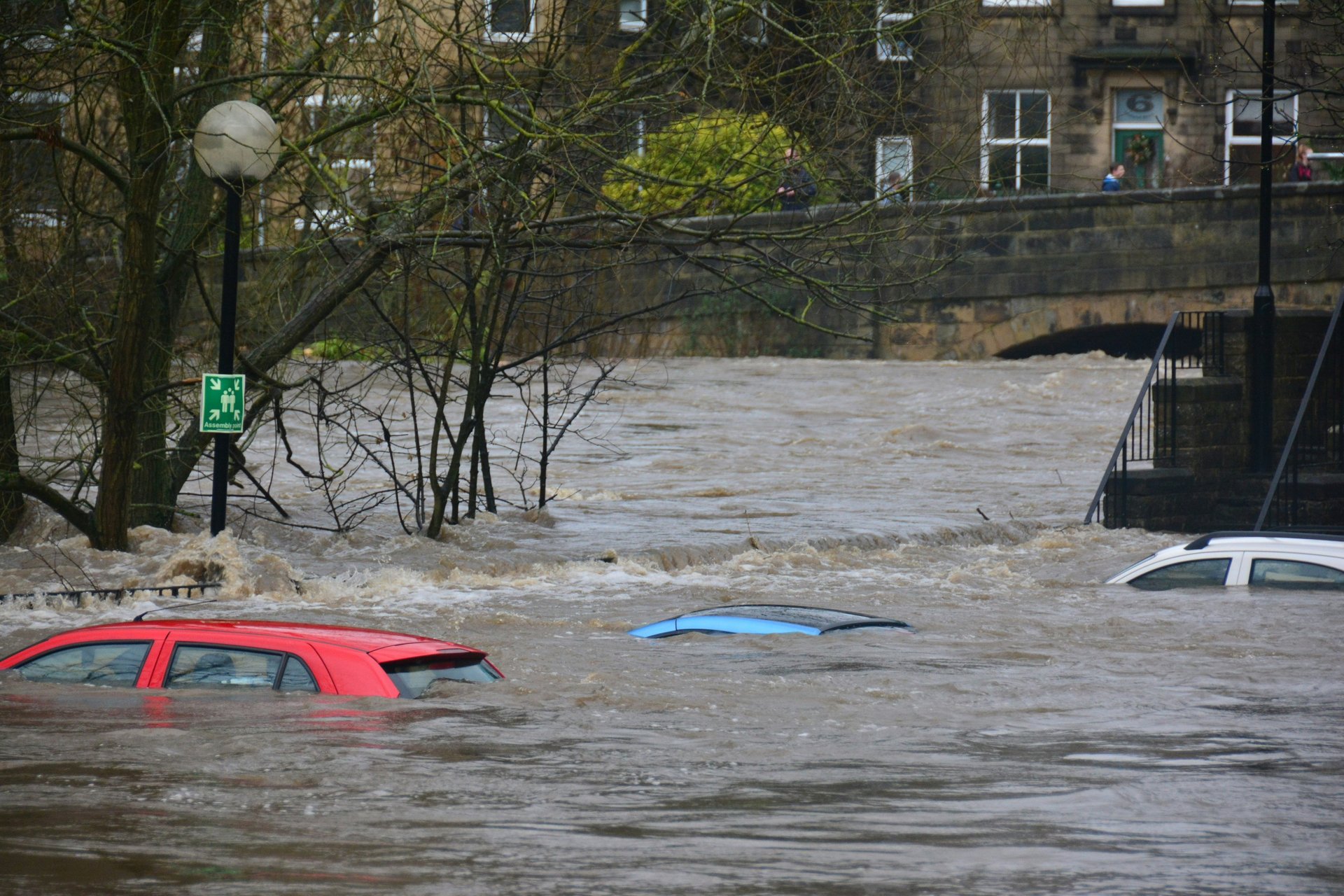
Floods are no longer rare events. With climate change ramping up, they're knocking on our doors more frequently—and sometimes, quite violently. That’s where Flood Early Warning Systems (FEWS) come in—the silent protectors that provide us with those precious hours to act before disaster strikes.
But behind those warnings you see on your phone or local news is a silent workhorse: SCADA—Supervisory Control and Data Acquisition. Think of SCADA as the brain and nervous system powering real-time flood monitoring and emergency response.
What is SCADA?
SCADA is like a digital nervous system for infrastructure. It’s a tech system that is a combination of hardware and software used to control, monitor, and automate complex systems—everything from water supply and power grids to manufacturing plants.
SCADA is the ultimate multitasker, that gathers real-time data from sensors, processes it, lets operators know what’s going down (literally), and even takes automated action when needed. When you're racing against rising water levels, minutes matter. SCADA makes those minutes count.
Photo by Chris Gallagher on Unsplash
How SCADA and FEWS work together
FEWS and SCADA team up like a smart early-warning duo—SCADA gathers real-time flood data, and FEWS turns it into instant alerts, giving communities the head start they need to stay safe.
Let’s break it down:
Real-Time Monitoring: SCADA uses a network of sensors to track rainfall, river levels, reservoir pressure, and flow rates. These sensors are scattered across critical zones—mountains, rivers, dams, storm drains—like digital scouts. It’s watching everything. Always. You might not see it, but it sees the storm coming way before you do.
Data Acquisition & Analysis: Once collected, the data doesn’t just sit there looking pretty. SCADA systems analyze it on the fly. They compare current values with historical trends and danger thresholds. If the numbers start looking sketchy—say, river levels rising too fast—SCADA starts sounding the digital alarm. And in FEWS, minutes matter. Sometimes, they’re the difference between chaos and evacuation.
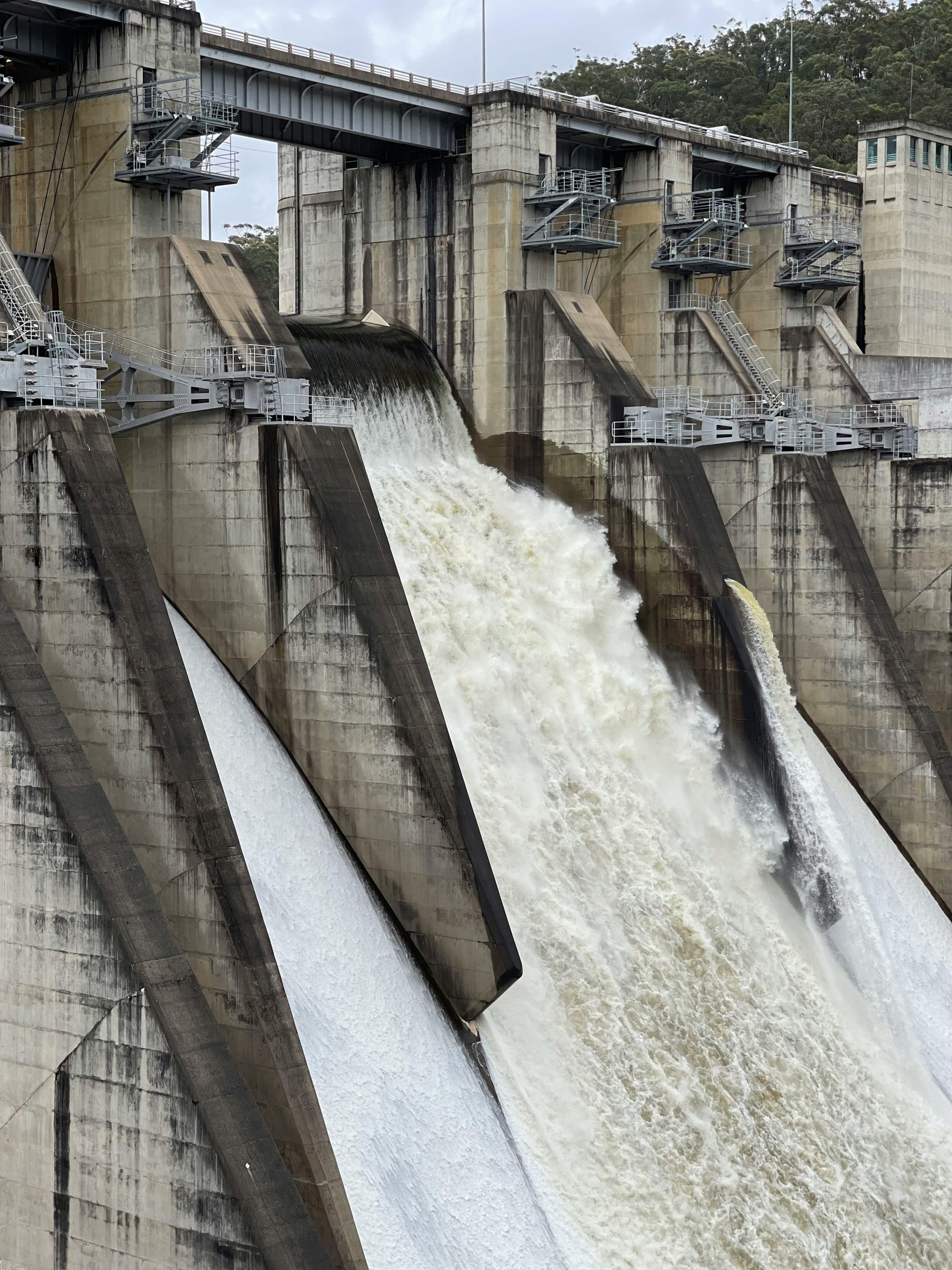
Automated Control: Here’s where it gets real cool—and a bit sci-fi. SCADA can automatically control field equipment. Need to open sluice gates to relieve pressure? Pump floodwater into holding tanks? Trigger a siren in downstream villages? Boom. Done. Without waiting for a human to press the button. That automation? That’s how we beat the clock when water comes crashing.
Communication & Alerts: SCADA can trigger SMS, email, radio, or public announcement systems as part of the alert cascade. The data flows to disaster management centers, city control rooms, and emergency response teams. In some setups, it even tweets (seriously). It’s not just watching—it’s talking. Loud and clear.
Integration with GIS and Forecasting Models: SCADA loves teamwork. It can integrate with Geographic Information Systems (GIS) and hydrological models to provide visual flood mapping and predictive analytics. So not only does it tell us what’s happening now, but it also gives us a glimpse into what’s coming. It’s like seeing into the future—if the future was wet and dangerous.
Case Study: SCADA in Action – The Mahanadi River Basin, India
Let’s see what this looks like on the ground—in a place that knows floods all too well.
The Scene:
The Mahanadi River Basin in eastern India is no stranger to floods. Seasonal monsoons often push rivers to the brink, threatening lives, agriculture, and infrastructure across Odisha and Chhattisgarh.
The Problem:
Traditional flood warnings relied heavily on manual monitoring, delayed reporting, and guesswork. By the time local authorities sounded alarms, water levels were already surging past safe limits—and communities were scrambling..
Enter SCADA.
What They Did? As part of the Integrated Flood Management Programme, authorities installed a full-blown SCADA-based Flood Monitoring and Early Warning System across the basin. Here's what changed:
Remote sensors were installed along rivers, reservoirs, and dams.
Automatic Rain Gauges (ARGs) and Water Level Recorders (WLRs) collected real-time data.
All data flowed into a centralized SCADA dashboard—live, 24/7.
The system integrated with satellite forecasting models and historical flood data, boosting prediction accuracy.
SCADA was linked to automated sirens, SMS alerts, and district emergency response systems.
Challenges? Yeah, There Are a Few
Let’s not sugarcoat it—SCADA systems aren’t magic wands.
Power outages during floods can knock out sensor communication.
Cybersecurity is a concern—hackers love critical infrastructure.
Maintenance of sensors in wild, wet, and remote areas is no joke.
High initial costs.Yeah, SCADA ain’t cheap. But compared to lives and cities lost, it’s worth every rupee, dollar, and byte.
Final Word: SCADA Is the Unsung Hero of Flood Defense
When disaster strikes, we often see the emergency crews, the helicopters, the sandbags. But behind all that, quietly, relentlessly, SCADA is the brain making it all possible.
It’s not flashy. It doesn’t get medals. But when the river rises, SCADA’s watching. Listening. Acting. And keeping us just one step ahead of storm.
Ready to build flood-resilient cities with SCADA-backed intelligence?
At Shanta Colibri, we’re redefining water infrastructure with smart metering, IoT, and real-time monitoring systems.
Photo by Pradeep Wickramanayaka