
Where Does India’s Water Really Go? The Problem of Invisible Loss
India faces severe water stress, yet a large share of treated water never reaches users due to leaks, illegal connections, poor infrastructure, and inaccurate metering—creating major economic, environmental, and supply inefficiencies.
THOUGHT PAPEREDUCATIONAL
Rimashree
3/11/20264 min read
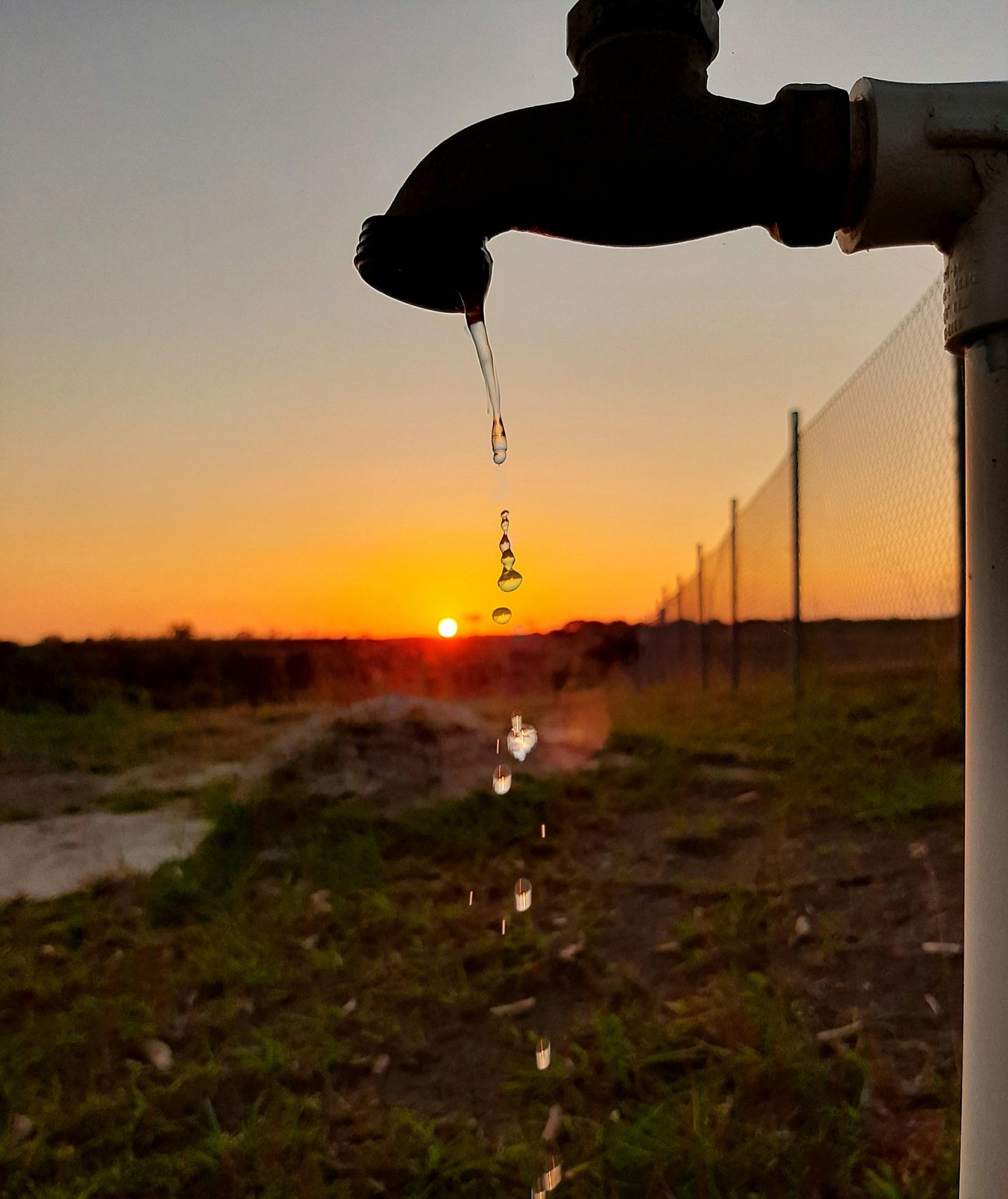
Water is one of India’s most precious resources. Yet every day, millions of litres disappear before they ever reach homes, industries, or farms. The pipes are full, reservoirs are filled, treatment plants are running—so where does the water actually go?
The uncomfortable truth is this: a massive portion of India’s water supply simply vanishes inside the system. This phenomenon is known as “invisible water loss,” and it is one of the biggest yet least discussed challenges in the country’s water infrastructure.
Understanding this hidden crisis is the first step toward solving it.
India’s Growing Water Stress
India is already among the world’s most water-stressed countries. According to the NITI Aayog Composite Water Management Index, nearly 600 million Indians face high to extreme water stress, and around 200,000 people die every year due to inadequate access to safe water.
Rapid urbanization, population growth, and industrial expansion are pushing water demand to unprecedented levels. Cities are expanding faster than their infrastructure can keep up. Industrial parks are growing, residential complexes are multiplying, and agriculture continues to demand enormous water resources.
But while discussions often focus on water scarcity, another equally serious issue remains hidden: water that is produced but never reaches users.
The Invisible Loss Problem
Invisible water loss refers to water that disappears within the supply system due to leaks, unauthorized usage, inaccurate metering, or poor monitoring.
Globally, this is known as Non-Revenue Water (NRW). In simple terms, it is water that utilities produce but cannot bill or account for.
According to the World Bank, many developing countries lose 30–50% of their water supply due to system inefficiencies.
India is no exception.
In many cities, nearly one-third of treated water is lost before it reaches consumers. Imagine filling three water tankers and losing one entirely along the way. That is essentially what happens every day in many urban water systems.
Where Does the Water Actually Go?
Invisible water loss typically occurs through several channels.
Aging Infrastructure: Many water pipelines in India were installed decades ago and have exceeded their intended lifespan. Over time, corrosion, cracks, and pressure variations cause small leaks that gradually become major losses. These leaks are rarely visible because they occur underground. A pipeline can leak thousands of litres per day without any obvious signs on the surface.
Undetected Leakage: In large water distribution networks, it is extremely difficult to detect leaks without proper monitoring systems. A tiny fracture in a pipeline may continue for months or even years before it is discovered. During that time, enormous volumes of water may be lost.
Unauthorized Consumption: Illegal connections and unregulated tapping of water lines also contribute to invisible losses. In areas where monitoring is weak, water may be consumed without being measured or billed. This not only wastes water but also disrupts fair distribution across the network.
Inaccurate or Missing Metering: Without proper metering systems, it becomes almost impossible to determine how much water is being supplied and how much is actually consumed. When utilities cannot measure water accurately, they cannot detect where losses are occurring.
Why Invisible Water Loss Matters
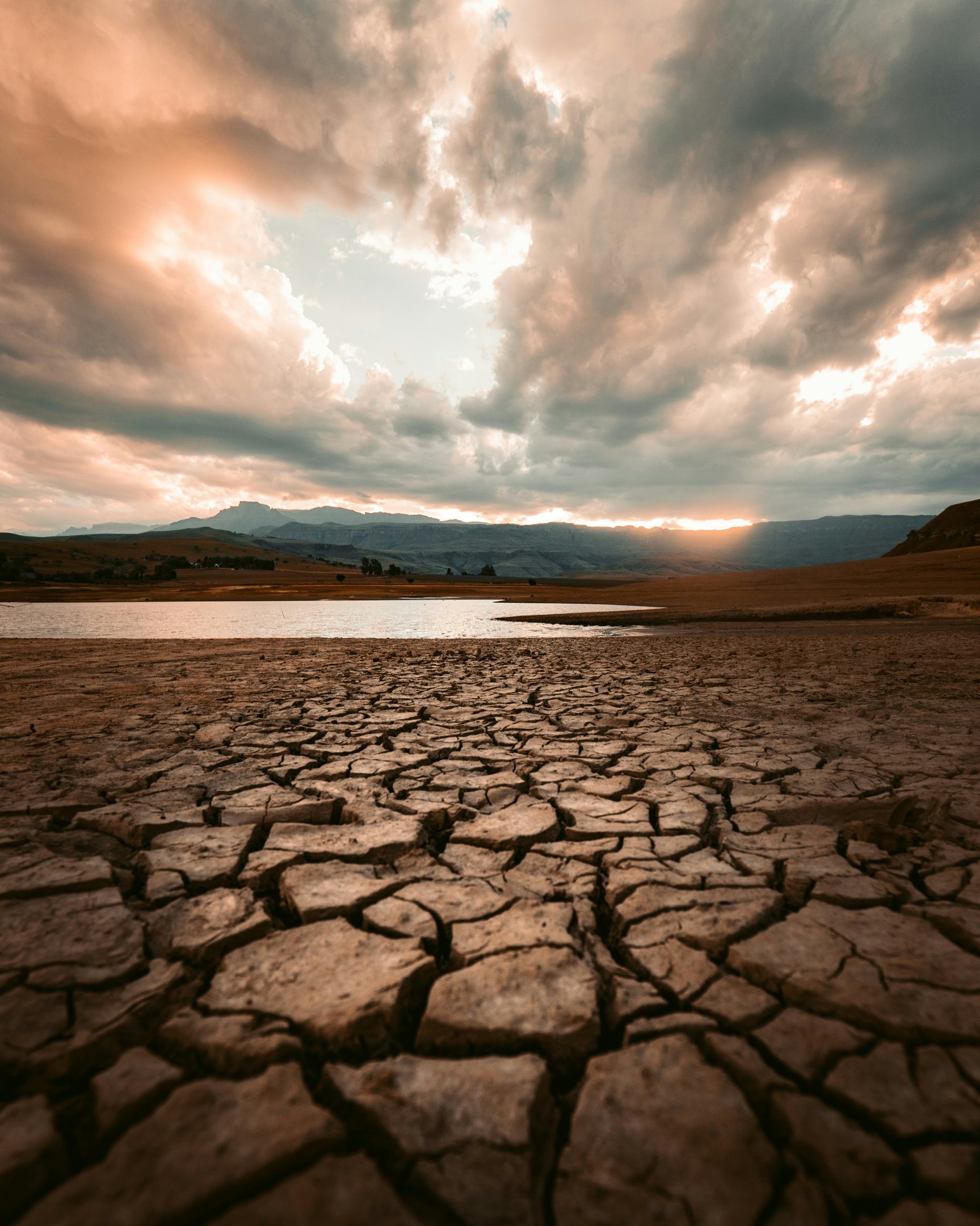
At first glance, water loss may appear to be only a technical issue. In reality, it has serious economic, environmental, and social consequences.
Economic Impact
Treating and transporting water requires energy, chemicals, infrastructure, and manpower. When water is lost, all the resources used to produce that water are also wasted. For municipalities and industrial utilities, this translates into massive financial losses.
Environmental Impact
Water extraction from rivers, lakes, and groundwater sources increases when losses remain high. This puts additional stress on already fragile ecosystems. Reducing invisible loss is one of the most effective ways to conserve water resources.
Supply Inefficiency
Ironically, while cities struggle with water shortages, a significant portion of their supply is disappearing within the system itself. Fixing these inefficiencies could dramatically improve water availability without needing new water sources.
The Role of Smart Water Monitoring
Traditional water infrastructure was designed for supply—not for real-time monitoring. Today, however, technology is transforming how water systems are managed. Smart monitoring tools, digital sensors, and advanced metering systems allow utilities to track water flow, pressure, and consumption patterns with far greater accuracy. These technologies help identify:
Leakage hotspots
Abnormal consumption patterns
Pressure fluctuations in pipelines
Unauthorized usage
By detecting problems early, water utilities can respond quickly and significantly reduce losses.
Companies like Shanta Colibri are working toward enabling smarter water management solutions that help organizations monitor and manage water infrastructure more efficiently.
When water data becomes visible, invisible losses become solvable problems.
Final Thought
Water does not simply disappear—it leaks, escapes, or goes unmeasured somewhere within the system. The challenge is making these invisible losses visible.
Because once we can see where the water goes, we can finally start saving it.
The Future of Water Management in India
India’s water challenges are complex, but they are not insurmountable. The country is entering a new era where data-driven infrastructure is becoming essential forb sustainable resource management.
Smart water systems, improved monitoring technologies, and better policy frameworks can transform how water networks operate across cities and industrial zones.
Reducing invisible water loss will not only conserve precious resources but also improve water security for millions of people.
The real question is no longer whether India has enough water.
It is whether we are managing the water we already have effectively.
Photo by redcharlie on Unsplash
Photo by Plastic Lines