Why Water Utilities Must Adopt Smart Infrastructure Before 2030
This post dives into why water utilities must embrace smart infrastructure before 2030 — or risk running dry. It explores how AI, IoT, and data analytics can detect leaks, conserve resources, and secure clean water amid climate change. Featuring India’s digital water revolution, it’s a rallying call for innovation, sustainability, and survival.
THOUGHT PAPEREDUCATIONAL
Rimashree
10/18/20254 min read
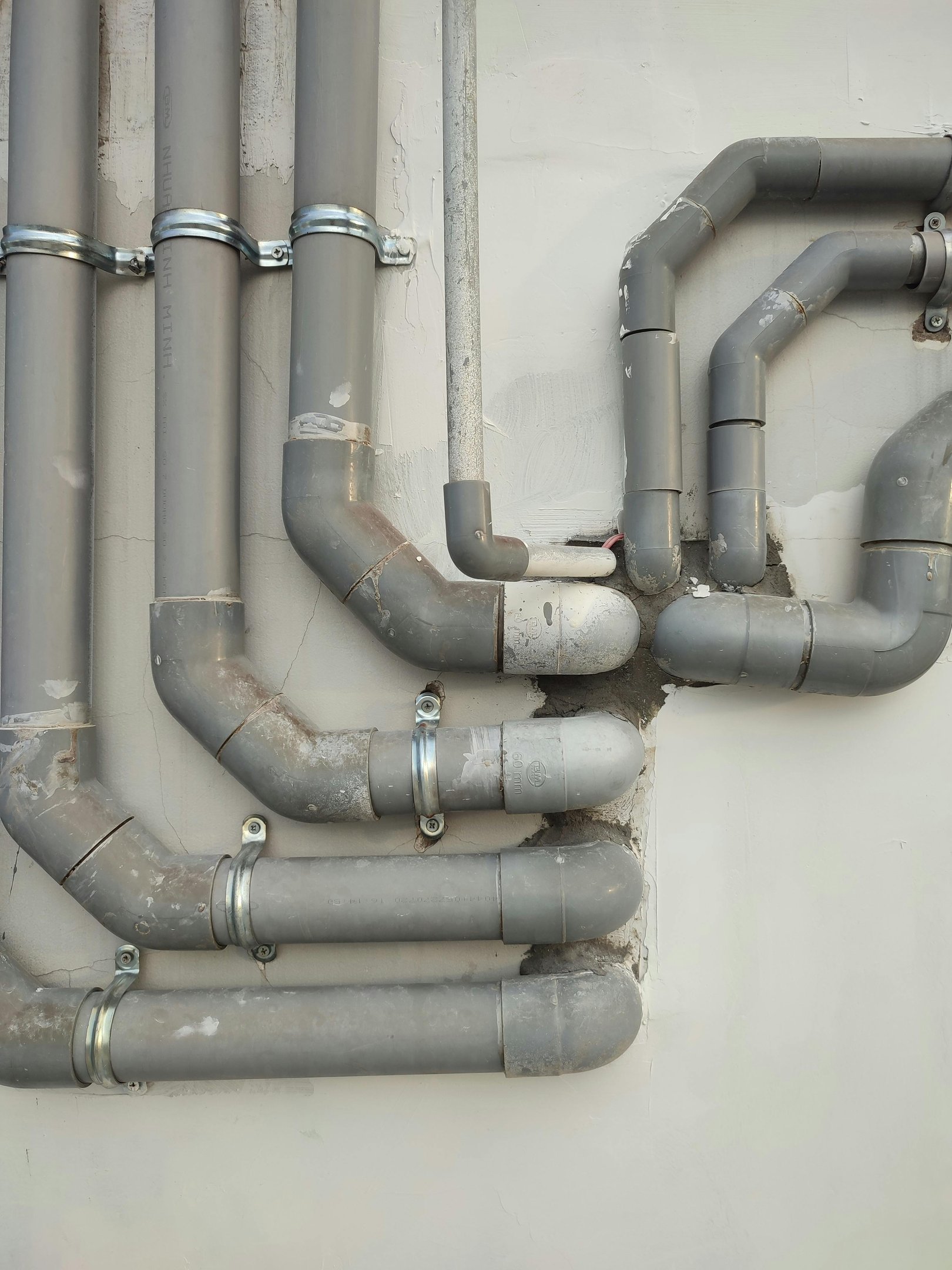
Photo by Bùi Hoàng Long
Picture this: it’s 2030. The planet’s population is pushing 9 billion, climate change is rewriting the rules of rainfall, and every drop of clean water feels like liquid gold. Yet in too many cities, pipes still leak like sieves, data lives in silos, and “infrastructure upgrades” are something that happens after a crisis — not before it.
We can’t afford that anymore.
The water industry stands at a crossroads: evolve or evaporate. Smart infrastructure isn’t some futuristic luxury — it’s survival tech for a world running low on time, resources, and patience.
Why Change Is Urgent
Conventional water utility systems are increasingly inadequate in responding to today’s challenges. Aging pipes and outdated monitoring lead to massive water loss—nearly 6 billion gallons lost daily in the U.S. alone due to leaks. Urbanization and climate change intensify supply constraints, while groundwater dependence grows and wastewater recycling remains limited. Delaying the adoption of smart solutions further increases lifecycle costs and environmental impact, making timely action imperative.
Data Is the New Water: Key Benefits of Smart Infrastructure
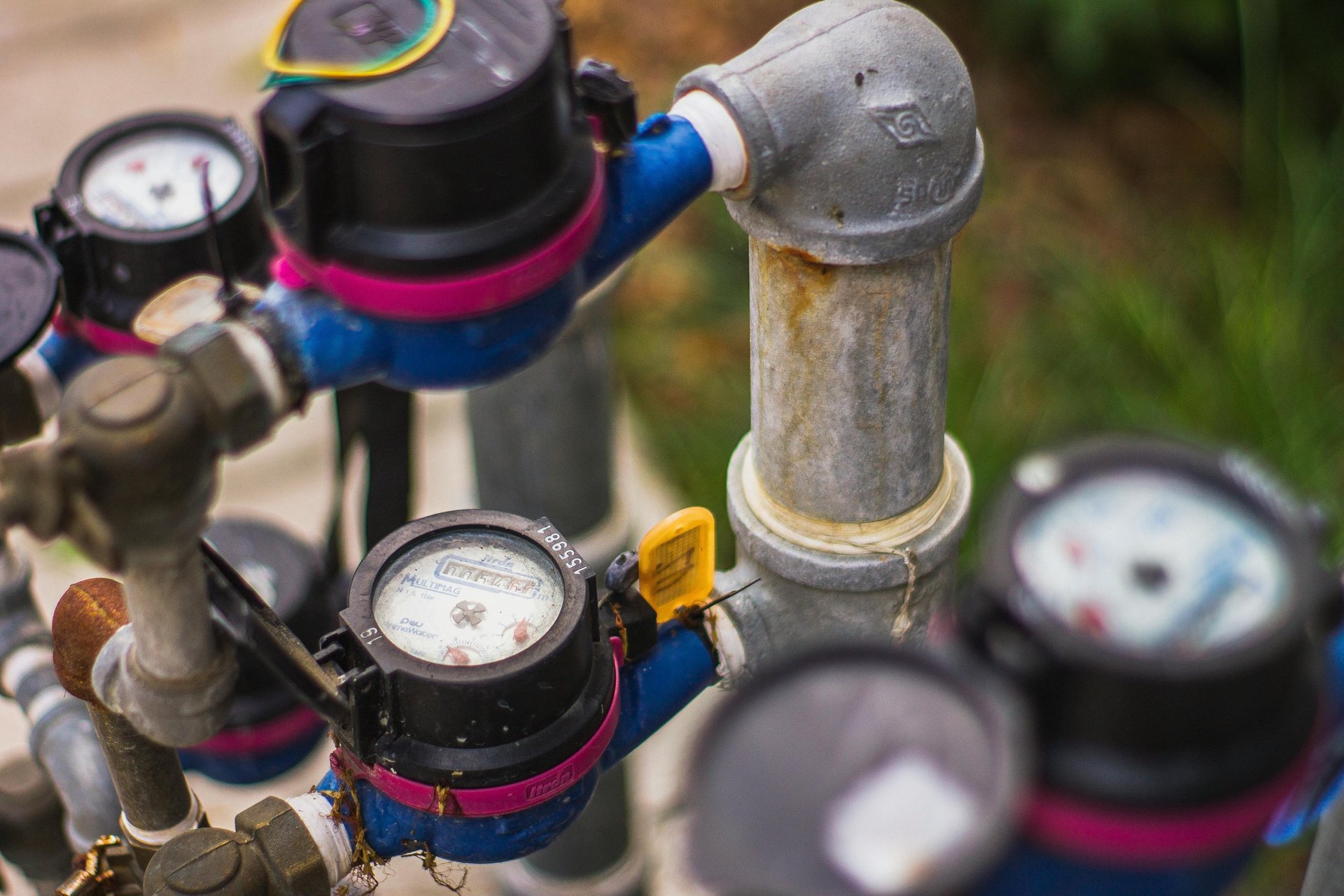
Smart water systems integrate sensors, IoT, and AI to monitor and manage demand, detect leaks, and identify contaminants in real time.
Predictive analytics flag weak spots for maintenance before failures occur, helping utilities allocate resources efficiently and preventing service disruptions.
Automated leak detection minimizes non-revenue water and optimizes distribution, reducing both waste and operational cost.
Real-time water quality monitoring protects public health from new kinds of pollution, with machine learning algorithms ensuring rapid response.
Smart irrigation and advanced analytics support better agricultural water usage and minimize excess consumption.
Imagine a city where:
A leak is detected before it bursts.
Water quality anomalies trigger automatic alerts.
Consumption data helps predict drought stress.
Energy usage drops because pumps operate at optimal efficiency.
That’s not a dream — it’s tech that already exists. The question isn’t if we can do it, but why on Earth we haven’t yet.
Steps Toward Sustainable Water Management
Digital transformation enables utilities to shift from reactive crisis management to proactive planning and asset management.
Data-driven systems allow real-time surveillance and holistic network visibility, making the delivery, billing, and distribution of water smarter and more transparent.
Aligning utility operations with sustainability goals becomes feasible, as smart infrastructure tracks energy use, emissions, and saved water with accuracy—helping utilities comply with tightening regulations and environmental standards.
Consequences of Failing to Modernize
Continued reliance on legacy infrastructure increases water loss, operational downtime, repair costs, and vulnerability to climate shocks.
Utilities risk missing out on core improvements in efficiency, cost savings, and regulatory compliance—jeopardizing long-term financial and environmental viability.
Societies face greater risks of water scarcity, inequitable distribution, and public health incidents without the visibility and responsiveness offered by smart technologies.
India’s Take: From Water Stress to Smart Resilience
If there’s one country where smart water infrastructure could rewrite destiny, it’s India. The numbers are stark — 18% of the world’s population, but only 4% of its freshwater resources. Add in rapid urbanization, monsoon irregularities, and over-extraction of groundwater, and you’ve got a challenge that can’t be solved with old pipes and guesswork.
The government knows it too. Programs like Jal Jeevan Mission, Atal Bhujal Yojana, and the Smart Cities Mission are already planting the seeds of a digital water revolution — sensors tracking groundwater levels, SCADA systems automating distribution, and AI tools forecasting demand.
Cities like Pune, Surat, and Bengaluru are experimenting with IoT-based water metering and predictive leak detection. Some utilities have even begun piloting digital twins — virtual replicas of their networks that allow real-time simulation and optimization. It’s water management 2.0, Indian edition.
But here’s the truth bomb:
The scale is massive, and progress is uneven. Many utilities still operate on pen-and-paper systems, and funding for digital upgrades often dries up before the benefits can flow. What India needs is not just tech, but policy, partnership, and persistence — a nationwide push to make smart infrastructure as essential as electricity or telecom was in the 2000s.
If India fully embraces digital water management before 2030, it won’t just secure its own future — it’ll set the blueprint for every developing nation balancing population growth, climate change, and resource scarcity.
Because when India gets smart about water, the world pays attention.
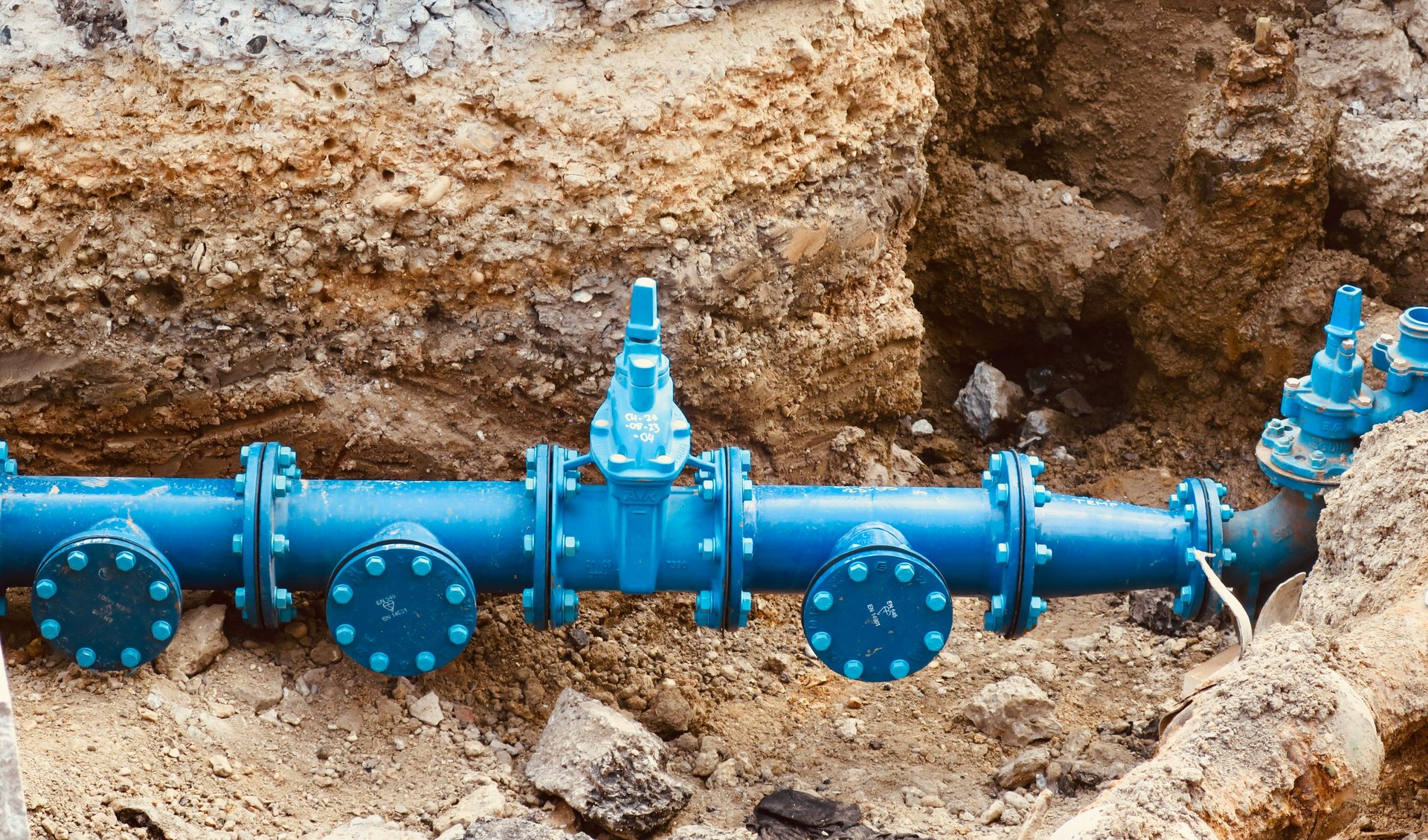
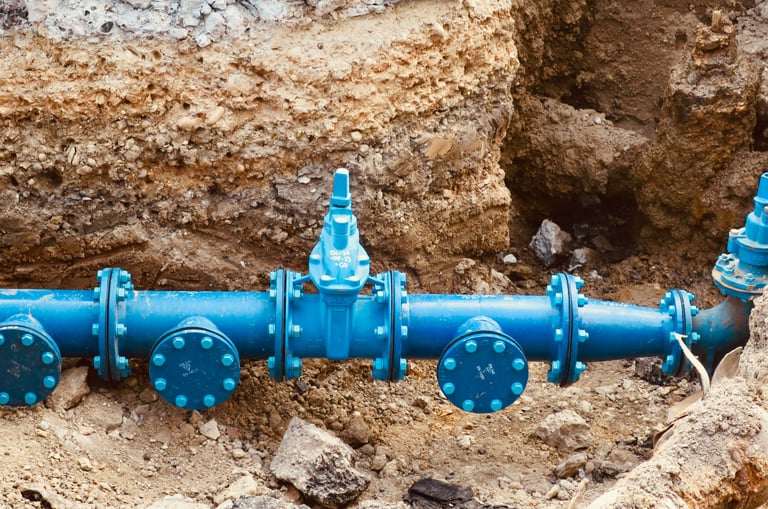
Photo by Rose Galloway Green on Unsplash
The 2030 Mandate
The UN’s Sustainable Development Goal 6 — “Clean Water and Sanitation for All” — sets 2030 as the target. But if utilities cling to 20th-century tools, that goal becomes a ghost.
Adopting smart infrastructure before 2030 isn’t just about efficiency. It’s about ethics. It’s about ensuring that the next generation inherits functioning systems, not fractured ones.
So yes — it’s time. To digitize. To optimize. To rethink every valve, meter, and decision with intelligence at its core.
Because by 2030, “smart” won’t be optional. It’ll be the only way to keep the world’s most precious resource flowing.
Final Drop
The future of water isn’t found in concrete — it’s found in code, sensors, and data streams that flow as freely as the rivers they protect. The sooner we embrace that, the sooner we can stop fearing scarcity and start engineering abundance.
Let’s make 2030 the year we stopped patching leaks — and started building legacies. Start your smart water journey with us.